Use it for
Writing down the model, the constraints, and the numbers you still have to quote: slip, insurance, boats, rates, deposits, staff.

Please wait while this screen opens.
Operator resource
Published by Slipstack. We launch this stack for live rental and charter operators — how it works · Updated Aug 16, 2026.
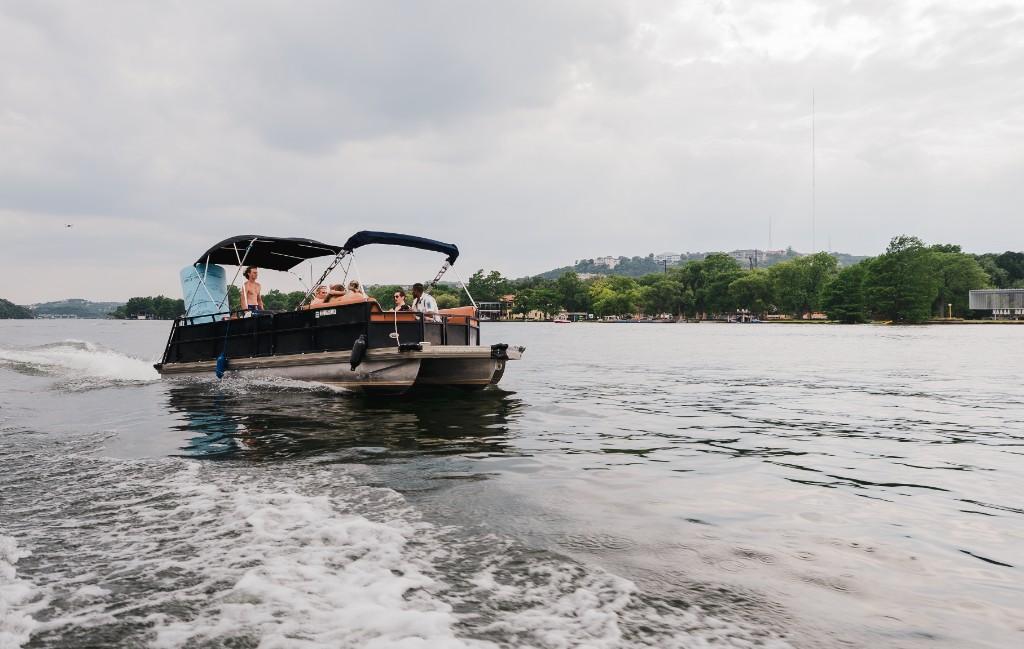
General information for operators. Not a substitute for an accountant, marine insurance broker, maritime attorney, or your marina’s rules. Figures below are either labeled assumptions or one live Slipstack operator’s season — not a forecast of yours.
What this page is
Writing down the model, the constraints, and the numbers you still have to quote: slip, insurance, boats, rates, deposits, staff.
A fill-in PDF for an SBA file, a national industry report, or a promise that your lake looks like Lake Austin.
01 — Executive summary
One page: what you rent, where, to whom, captained vs self-drive, how many hulls, how guests pay, and what has to be true for the first season to clear cash. If you cannot say it without adjectives, you do not have a summary yet. Lenders want quotes and a calendar, not “boating is growing.”
02 — Business model
| Model | What you sell | What breaks if you blur it |
|---|---|---|
| Captained / charter | A departure, a captain, a passenger limit, a duration. | You sell a “rental” and the guest expects to drive. The insurer does not. |
| Self-drive / bareboat | The hull for a window, plus who is allowed to operate. | An unsigned renter and a Saturday overlap with the next trip. |
| Ticketed seats | A seat on a run (sunset, holiday lights). | Treating it like a private buyout and overselling the Coast Guard limit. |
| Mixed shop | Hulls that do private mornings and ticketed evenings. | One calendar cell for both. Full-day has to kill the afternoon. |
03 — Market and customers
Weekend vs weekday, tourist season vs locals, pontoon vs fishing vs watersports. Count who is already full — not who advertises.
Birthday groups, couples, corporate, anglers, hotels sending overflow. Each segment has a different lead time, party size, and no-show pattern.
Who runs, what they charge, whether they are a marketplace listing or a real shop. Do not assume their posted rate is what they collect.
04 — Fleet strategy
Each boat is a product with a passenger limit, a fuel burn, a maintenance calendar, and a captain or a renter profile. A four-boat shop that cannot put two captains on the water on Saturday does not have four boats. Plan the fleet around trips you can run, not the brochure you wish you had.
05 — Marina and dock
Hours, noise, fuel, pump-out, parking, and whether walk-ups are allowed will shape the calendar more than your logo. Get the slip agreement in writing before you sell a Saturday in July. Turnaround time at the dock is inventory: a two-hour gap on paper is not a two-hour gap if the 10 a.m. guest is still idling.
06 — Pricing, deposits, payments
| Decision | Why it shows up | What to write down |
|---|---|---|
| Duration | A four-hour window is not half of an eight-hour cost. Prep, fuel to leave, and turnaround do not split cleanly. | Hourly (if you offer it), half-day, full-day. Full-day must kill the afternoon on that hull. |
| Weekday vs weekend | Saturday is scarce. A blended “average rate” underprices the day you cannot replace. | Two rates, not one. Holiday premiums as their own row. |
| Peak vs shoulder | Empty May is not July. Discounting peak to fill shoulder trains guests to wait. | A calendar of seasons. Shoulder can be a weekday rate, not a fire sale on Saturdays. |
| Fuel | Included, return-full, or a surcharge. Vague fuel is an hour of pumping on a sold turnaround. | The policy in the rate card and the agreement. Same words in both. |
| Captained vs self-drive | Different insurance, different waiver, different clock. Burying a captain as a $200 add-on on a rental rate is how you sell the wrong product. | Two products if you run both. See the model table above. Captained conversion lives on charter booking software. |
| Deposits and remaining balance | A no-show on a posted rate is a free option on your fleet. | How much at booking, when the rest charges. Details on the deposits guide. |
| Who is merchant | A percentage of the trip is not “processing.” It is a cut of the rate card you just built. | Guests pay you. Card networks still charge a processing fee. Keep those lines separate. |
No national “going rate” is published here on purpose. Your marina, your insurance, and the shops already full on your lake are the comparable set. One live Slipstack operator’s average order is labeled in the worksheet below — their season, not a market index.
Same decisions, deeper pages
Remaining-balance timing belongs on the deposits guide. Captained product converts on charter boat booking software. Once the rate card exists, guests should see it as live availability — not a PDF you email on Friday.
07 — Insurance and waivers
Marine liability, hull, and any captain requirements belong in the plan as named quotes, not “we will get insurance.” Rider age, alcohol, and bareboat vs captained are often policy terms. They should match the rental agreement and waiver you actually use. Counsel owns the words. Software only files the signature on the booking.
08 — Website, booking, scheduling
Once trips, rates, and rules exist, guests need live availability, a hold while they pay, a waiver on that reservation, and a calendar the dock trusts. That is a reservation system plus a website that actually books — not a brochure with a “call us” button. The commercial product that implements that stack here is boat rental software with boat rental booking software on your domain. The broader category is online booking software. Slipstack Full is $999/month with 0% booking commission. It is not the only possible stack. It is the one this site sells.
09 — Operating the shop
Who launches, who checks waivers, who calls the unsigned, who runs fuel. If it only lives in one person’s head, you do not have an operation yet.
Blocked days are inventory. A hull in the shop cannot take a deposit. Put maintenance on the same calendar as trips.
Included vs returned-full vs a surcharge. Fuel is both a cost line and a contract line. Pick one and write it on the rate card.
Hulls or leases, engines, trailers, dockage, insurance, licensing, safety gear, branding, website and booking, processor, initial fuel, cash for a slow month. Get quotes. Do not copy a blog’s national average.
10 — Marketing, acquisition, seasonality
SEO, ads, marina walk-ups, hotels, and repeat guests are different channels. Marketplace listings (GetMyBoat, Boatsetter, and the rest) can fill a calendar and still rent you the customer at checkout. Seasonality is not a vibe: write the months you will be dark, the months you will be full, and what the cash account does in between. If the plan depends on owning the relationship, booking cannot finish on someone else’s checkout.
11 — Example worksheet (assumptions)
| Line | Example assumption | Why it is an assumption |
|---|---|---|
| Fleet | 4 boats; 2 can run at once on Saturday (staff + slips). | Capacity is people and dock, not hull count. |
| Product mix | Private half-days at $450; full-days at $800. Not a market average. | Your lake’s posted rates will differ. Look at who is full. |
| Peak days | 20 Saturdays × 4 half-day slots if turnaround holds. | Weather, maintenance, and late returns eat slots. |
| Deposit | 50% at checkout; remainder 48 hours out. | Common pattern on this site, not a law. |
| Software vs % tools | $999/month and 0% of the fare vs ~6% of booking value (approximate FareHarbor figure used on Slipstack pages). | Competitor % is not their live contract. Run your ticket size. |
| Live proof (not a projection) | 212 trips, $572 AOV, $121k booked value, 134 days. | One operator on Slipstack. Do not copy it into a bank file as yours. |
Profit is what remains after dockage, insurance, fuel, maintenance, payroll, processing, and the slow months. We will not invent a margin percentage for your lake.
12 — Launch checklist
01
Including fuel, parking, noise, and whether walk-ups are allowed.
02
Captained vs self-drive, age, alcohol. The waiver cannot contradict the policy.
03
Peak, weekday, duration, remaining-balance timing. Then put them in the booking tool — not a spreadsheet next to it.
04
Collected on the reservation, not a clipboard. See the agreement guide.
05
Website, holds, Stripe, crew calendar. If guests still have to DM you, the plan is not operational yet.
When the plan is operational
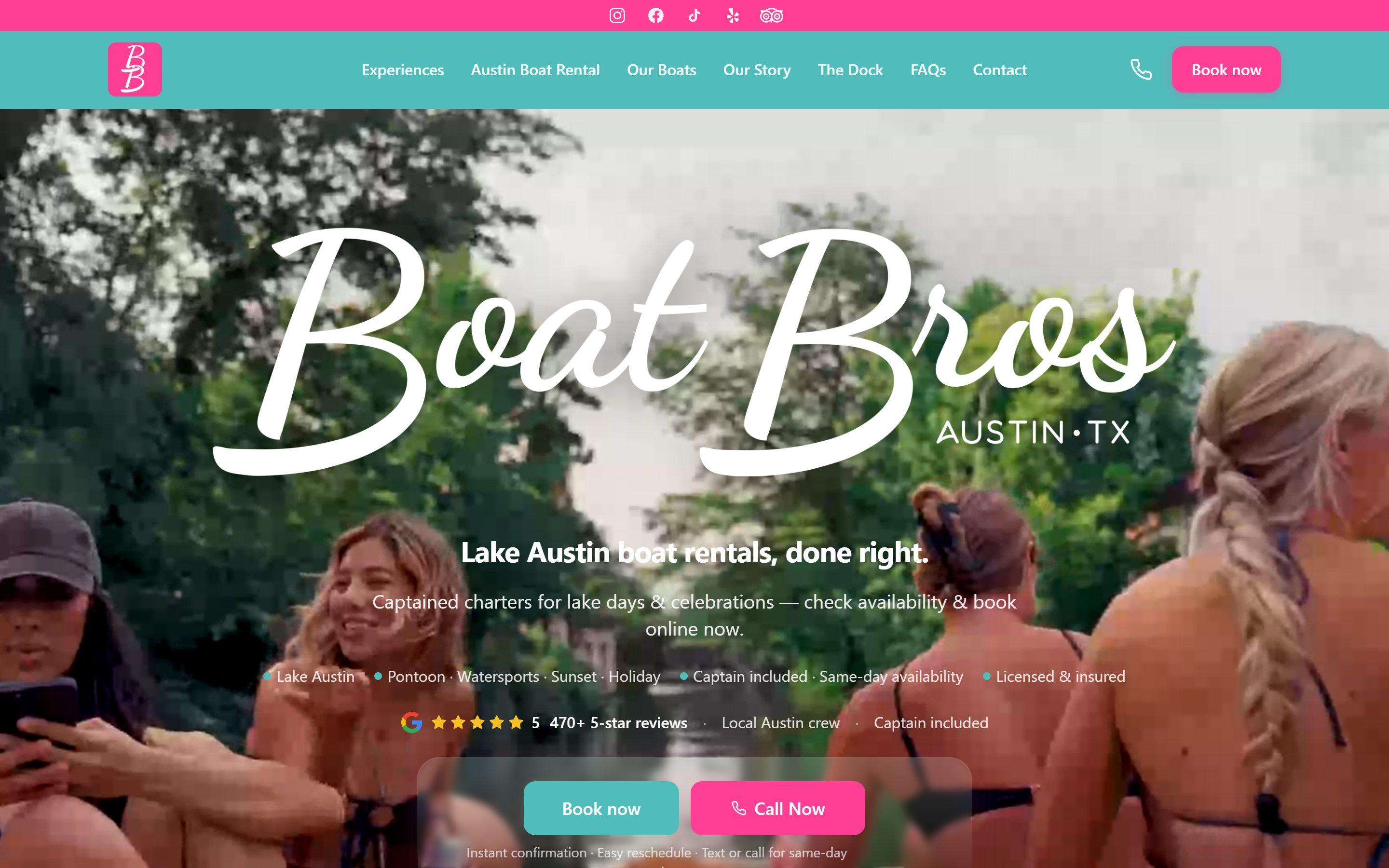
Boat Bros ATX · Lake Austin
Captained pontoon, watersports, sunset, and holiday charters on Lake Austin.
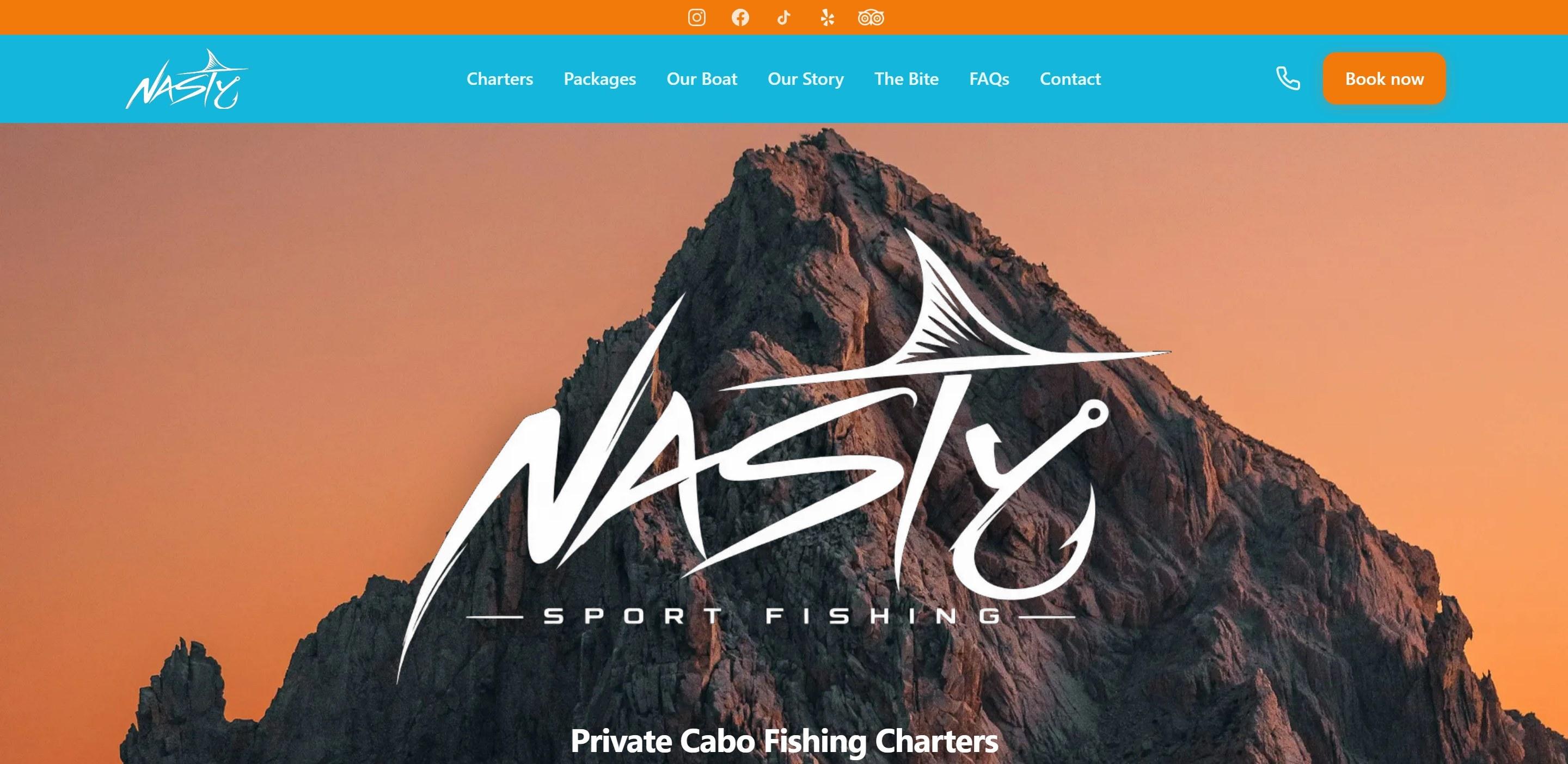
Nasty Sport Fishing · Cabo San Lucas
Private Cabo fishing charters — packages, live booking, Stripe, and buy-now-pay-later.
Also see boat rental software, boat rental booking software, boat rental websites, online booking software, agreements and waivers, deposits vs pay later, charter boat booking software, reservation system, pricing, and how launch works.
FAQ